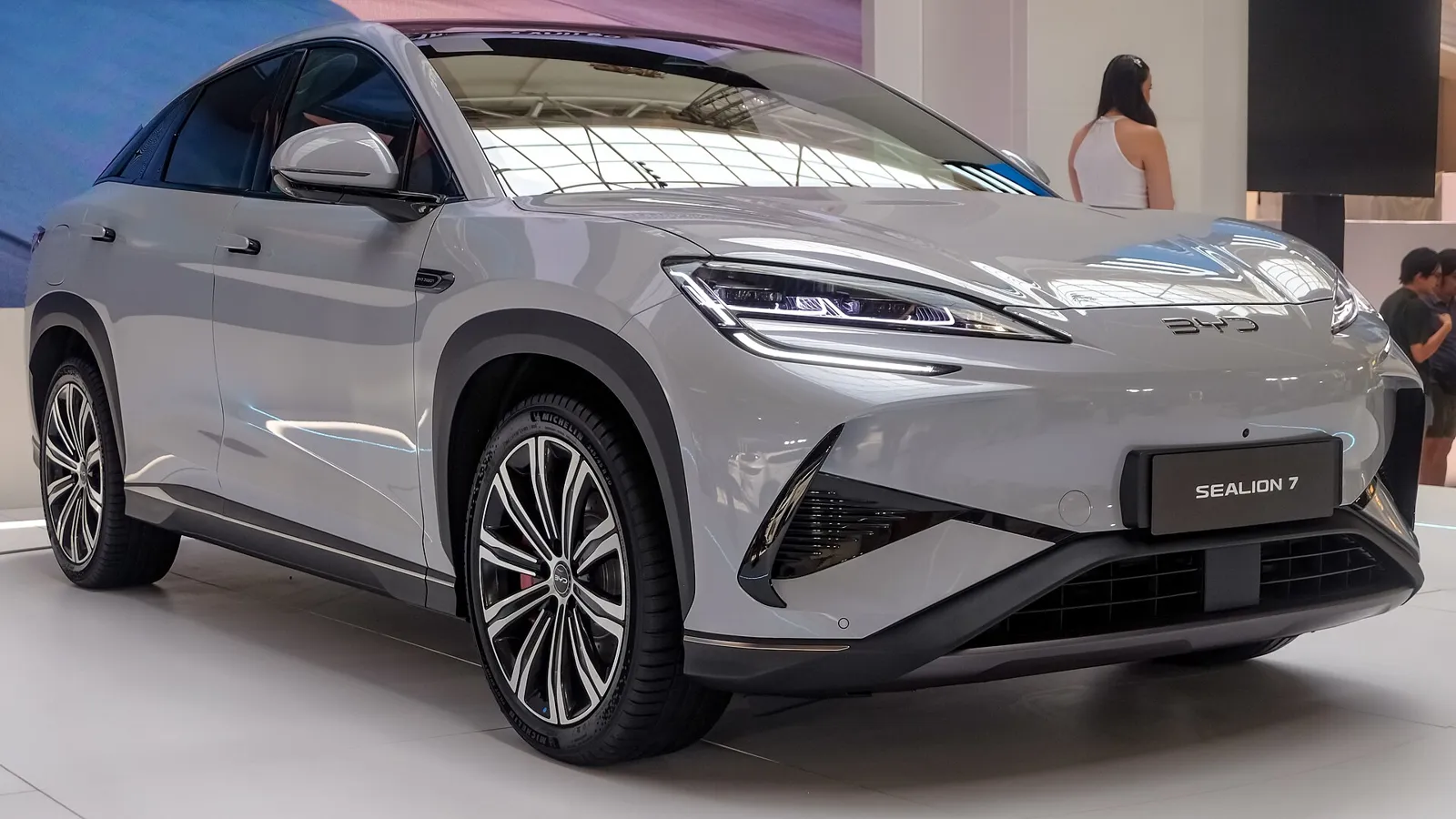
The Electric Vehicle Council's State of EVs 2026 report puts it simply: one EV was bought every 100 seconds in the first half of the year. That adds up to 157,957 EVs from January to June, up 117% on the first half of 2025 and more than were sold in the whole of last year.
The headline numbers
| January-June 2026 | Figure |
|---|---|
| Total EVs (BEV + PHEV) | 157,957 |
| Battery-electric | 103,716 |
| Plug-in hybrid | 54,241 |
| EV share of new sales | 25.8% (12.1% a year earlier) |
| National EV fleet, end of June | about 612,000 |
The FCAI says the BEV share of all-source sales rose every month of the half, from 8.4% in January to 23.4% in June.
June did the heavy lifting
June was the biggest month for new-vehicle sales Australia has ever recorded, with 140,058 from all sources according to the FCAI. The EVC reported that the Tesla Model Y set an all-time record of 8,072 sales that month, beating the Ford Ranger (5,999) and HiLux 4x4 (5,175) to be Australia's best-selling vehicle for a second month running. BYD delivered 18,881 vehicles across all its powertrains in June, just 243 fewer than Toyota.
The EVC was careful to say that end-of-financial-year deals and a backlog of pre-ordered deliveries both boosted June, and that conditions like that are unlikely to repeat soon.
Where the gaps are
The same report shows where progress is lagging. Electric models make up 26% of new car sales and 32% of new buses, but only 1% of vans and 0.6% of trucks. Freight is the obvious next step. Charging also has to keep up, as the EVC points out.
What it means
Half-year EV sales already exceed all of 2025, so a full-year record is close to certain. The more useful question for buyers is what comes next. More models are arriving across more price points, which should keep prices under pressure.