A single month can be a fluke. Two in a row starts to look like a trend. In September, for the second consecutive month, Australians bought more battery-electric vehicles than petrol cars, according to the Electric Vehicle Council (EVC). The EVC counted 26,287 BEVs.
The two industry bodies measure share slightly differently. The FCAI puts BEVs at 24.2% of all-source sales, up from 11.3% a year earlier. The EVC's figure is 24.9%, against 24.7% for petrol. Either way, about one new vehicle in four was fully electric.
The number we'd watch: the six-month average
Monthly results jump around with shipping schedules, a point the EVC makes itself. That's why its six-month rolling average is more useful. Combined BEV and plug-in hybrid share reached a record 32.5% in September, up from 30.6% in August. For September alone, BEVs plus PHEVs took 34.5% of the market, compared with 16.1% a year earlier, and combined EV sales were up 119% to 36,359.
Year to date, the FCAI says BEVs hold 18.9% of the market, up from 8.1% at the same point in 2025. The overall market barely grew, so these gains are coming at the expense of petrol and diesel. Petrol sales fell 36.2% year on year in September and diesel fell 18.4%.
How the total is built
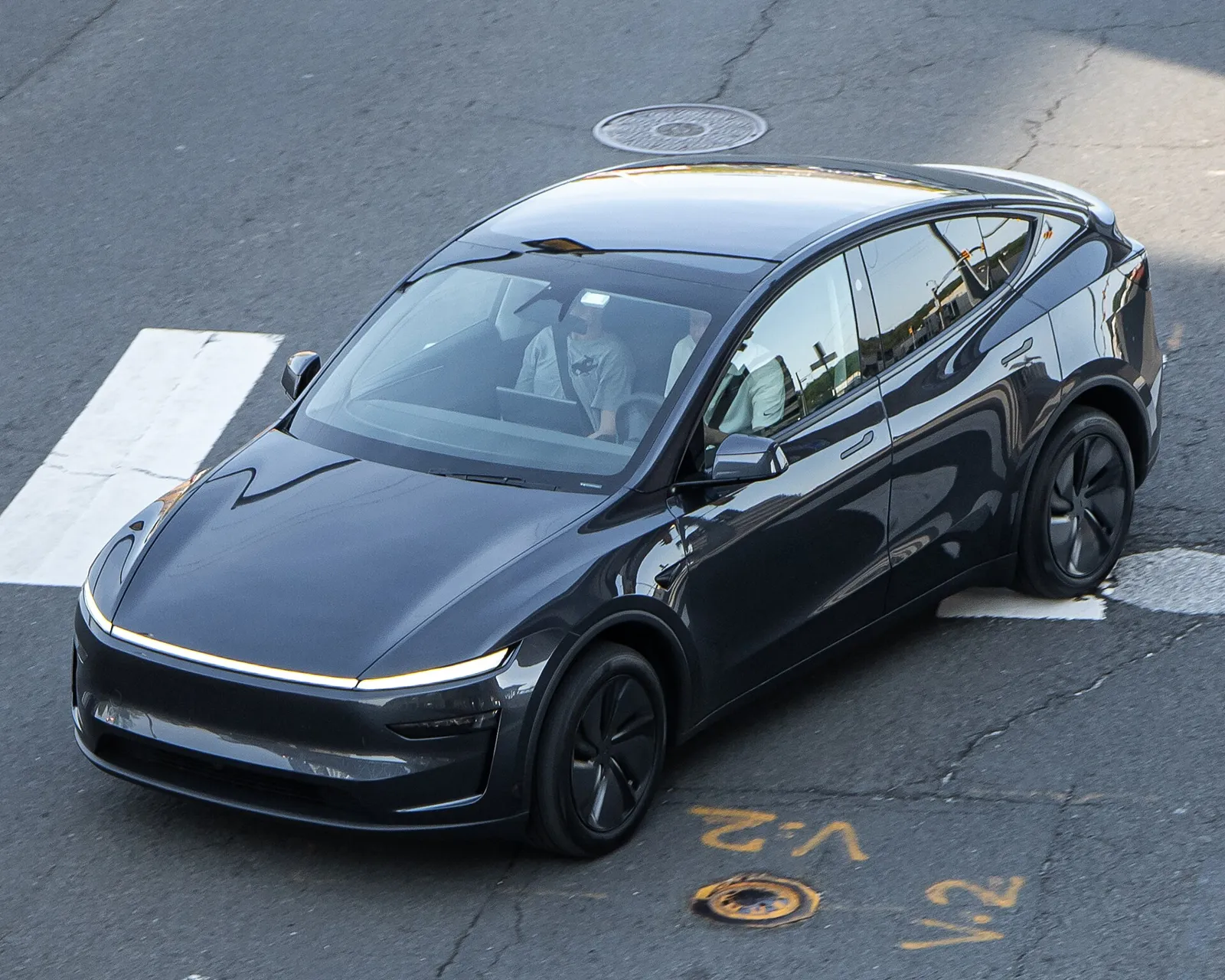
Tesla and Polestar don't report through the FCAI's VFACTS system. VFACTS counted 102,924 sales in September, and the EVC's separate report added 5,854 Tesla and Polestar deliveries. Together that makes 108,778. The breakdown matters for the model chart, because the Tesla Model Y (4,476 per the EVC) doesn't appear in the FCAI's top 10.
| September 2026 | Sales | Source |
|---|---|---|
| Ford Ranger | 5,062 | FCAI |
| Toyota RAV4 | 4,624 | FCAI |
| Tesla Model Y | 4,476 | EVC |
| Toyota HiLux | 4,455 | FCAI |
| BYD Sealion 7 | 2,687 | FCAI |
| Geely EX5 | 2,008 | FCAI |
Combining the two data sets puts the Model Y third overall, 21 units ahead of the HiLux. Two Chinese-built EVs, the Sealion 7 and EX5, also made the FCAI's top 10.
Follow the supply chain
The FCAI says China supplied 35.5% of the vehicles sold in September, more than Japan (22.5%) or Thailand (17.3%). BYD was the second-biggest brand with 8,191 sales, behind only Toyota's 17,682. Most of the new low-cost EVs come from China, so this shift in where cars are sourced is closely tied to the shift in what powers them.
What it means for buyers
More competition has so far meant sharper prices and better stock. If you've been waiting for EVs to go mainstream, the sales data says that has already happened.