
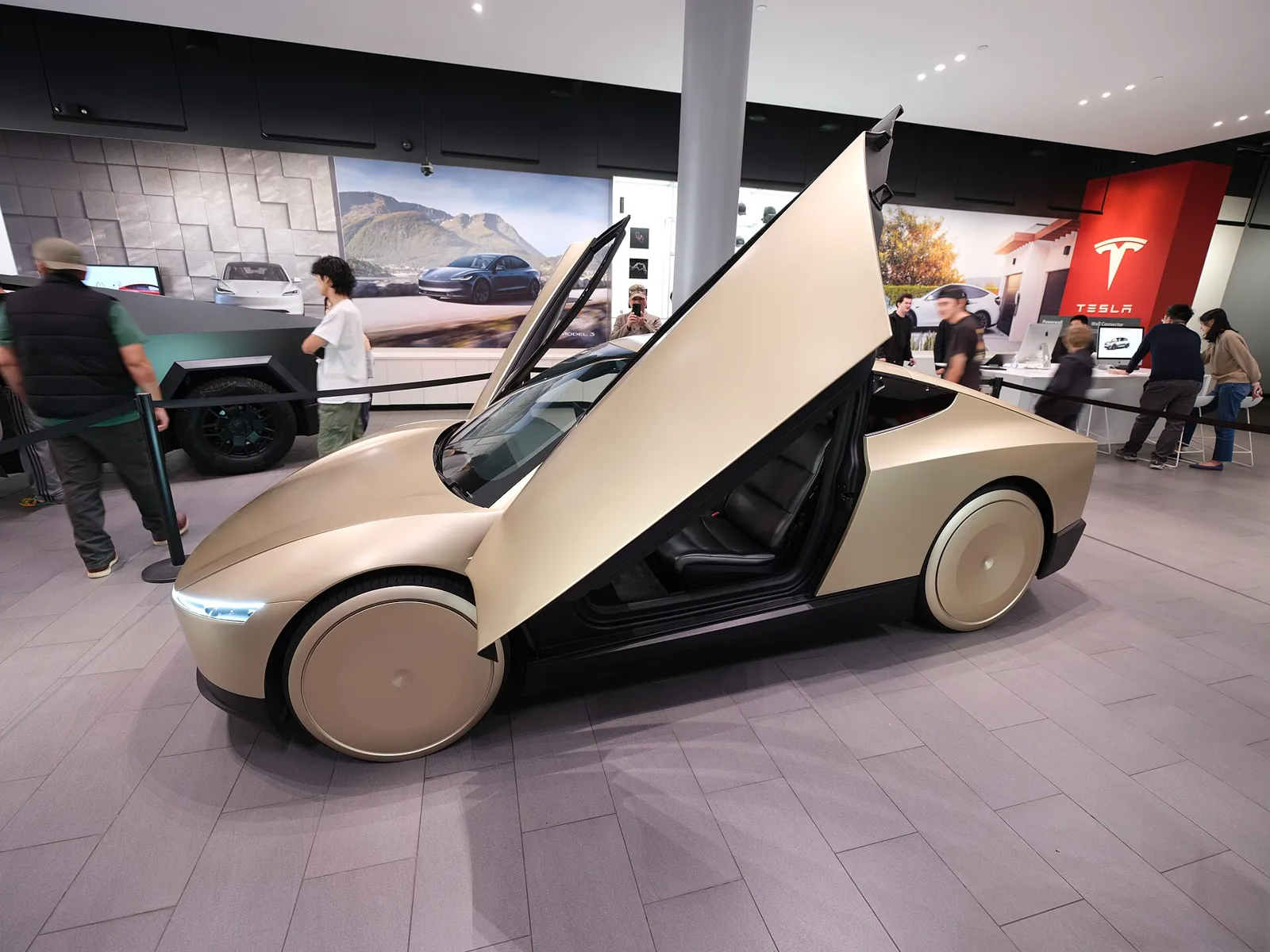
Fifty-four days after Tesla started taking paying passengers in its steering-wheel-free Cybercab, the robotaxi is no longer a concept car. Tesla's Texas robotaxi fleet, which mixes Cybercabs with driverless Model Ys, reached 970 registered vehicles on 26 October. And a new factory walk-through with engineering teardown specialist Munro & Associates says the Cybercab line can already build cars faster than Tesla can put them on the road.
So how quickly is Tesla really growing, how does that compare with Waymo, and where does it leave Uber and the ride-share drivers who use it? We go through it below.
The 1,000 figure: what it does and doesn't mean
The "1,000 Cybercabs" headline needs some care, because three different numbers are in circulation:
- About 1,000 (estimated): the number of Cybercabs covered by the US safety regulator's audit. When NHTSA opened audit query AQ26002 on 3 September, it put the affected population at "1,000 (Estimated)". That's NHTSA's estimate of the cars in scope, not a count of cars on the road.
- 970 (reported): all Tesla robotaxis registered in Texas as of 26 October, 463 Cybercabs plus 507 Model Ys, from the Texas DMV's automated-vehicle roster. That's up from 546 at the start of October. This is Texas only. Tesla doesn't publish a California robotaxi count, and its California service still has a safety driver.
- 463 (reported): Cybercabs in the Texas robotaxi fleet as of 25 October, again from state registration records. That works out to about 8.2 new Cybercabs a day since launch. Tesla's own last official count was "300+ Cybercabs serving Austin" on 10 October, an eightfold increase in 30 days.
Registered isn't the same as carrying passengers at any one moment, and community trackers that count cars actually seen in service have been well below the registration totals. The honest summary: Tesla has 970 robotaxis registered in Texas, 48% of them Cybercabs, and it's adding them every day.
Waymo's timeline: years, not weeks
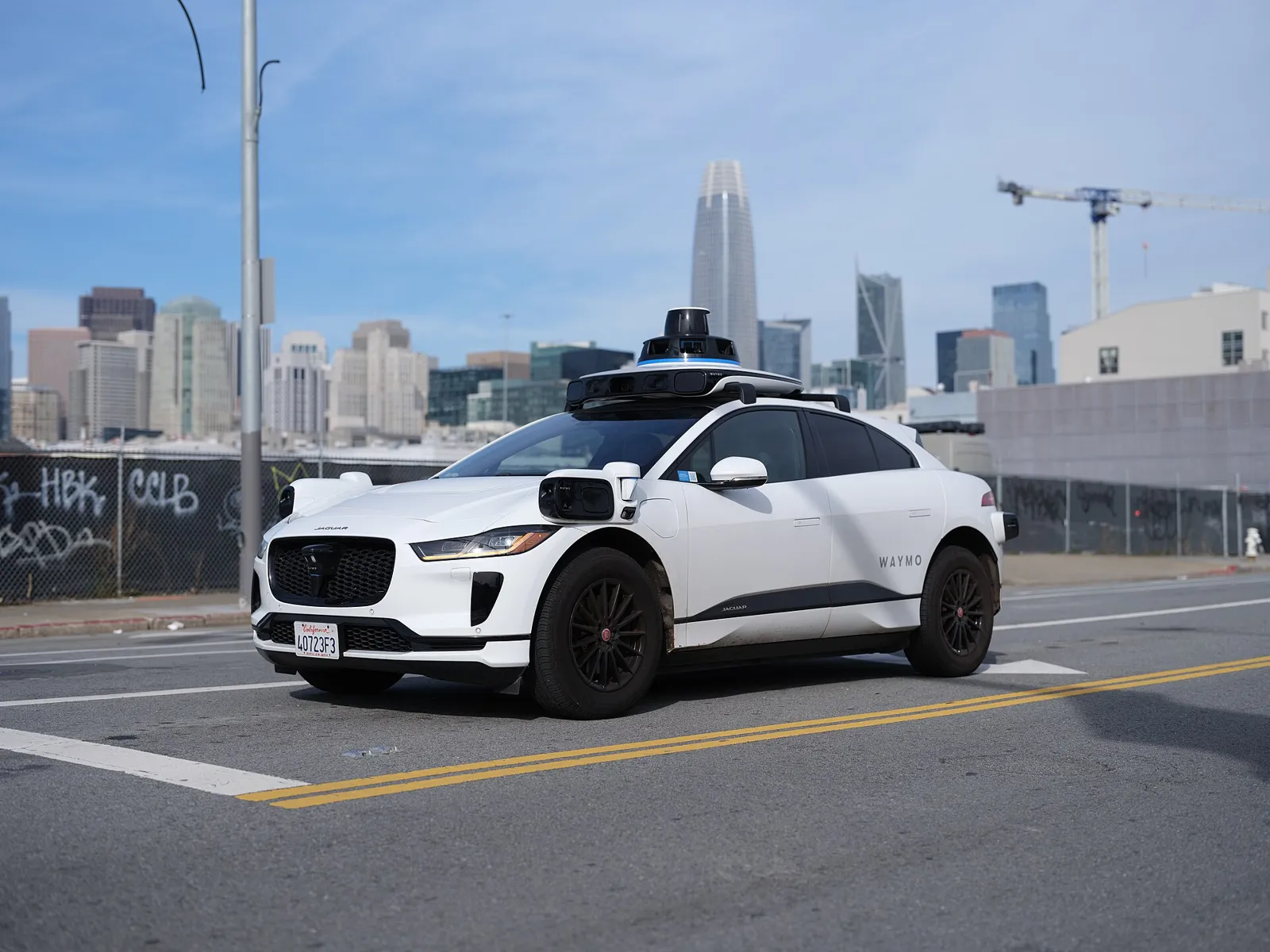
Waymo, Alphabet's self-driving company, is the benchmark. It took a very different path to scale:
| Milestone | Waymo | Tesla |
|---|---|---|
| First paid rides with nobody in the driver's seat | Phoenix, October 2020 | Cybercab, Austin, 3 September 2026. Tesla's Model Y robotaxi service began in June 2025 with a Tesla employee on board |
| Fleet about 3,000 | Waymo, February 2026 ("a fleet of 3,000 vehicles") | Not yet |
| Current fleet | About 4,000 (reported, September–October 2026) | 970 registered in Texas, 463 of them Cybercabs (Texas DMV, 26 Oct) |
| Weekly paid rides | About 500,000 (Waymo, 2026) | n/p (Tesla doesn't publish it) |
| Cities | 15 US cities (reported) | Austin. Dallas named for November |
| Next target | 8,000 by end of 2026, 20,000 by end of 2027 (unconfirmed: reported by Semafor from unnamed sources; Waymo declined to comment) | Cybercab sales to customers from late 2026 (Tesla, Q3 call) |
Put simply, Waymo took about five and a half years to go from its first fully driverless public service to a fleet of around 3,000. Tesla's Cybercab went from zero to several hundred in under two months. But Waymo's cars run in 15 cities, carry around half a million paid trips a week, and have a long public safety record. Tesla's Cybercab runs in one geofenced city, and Tesla doesn't publish ride numbers.
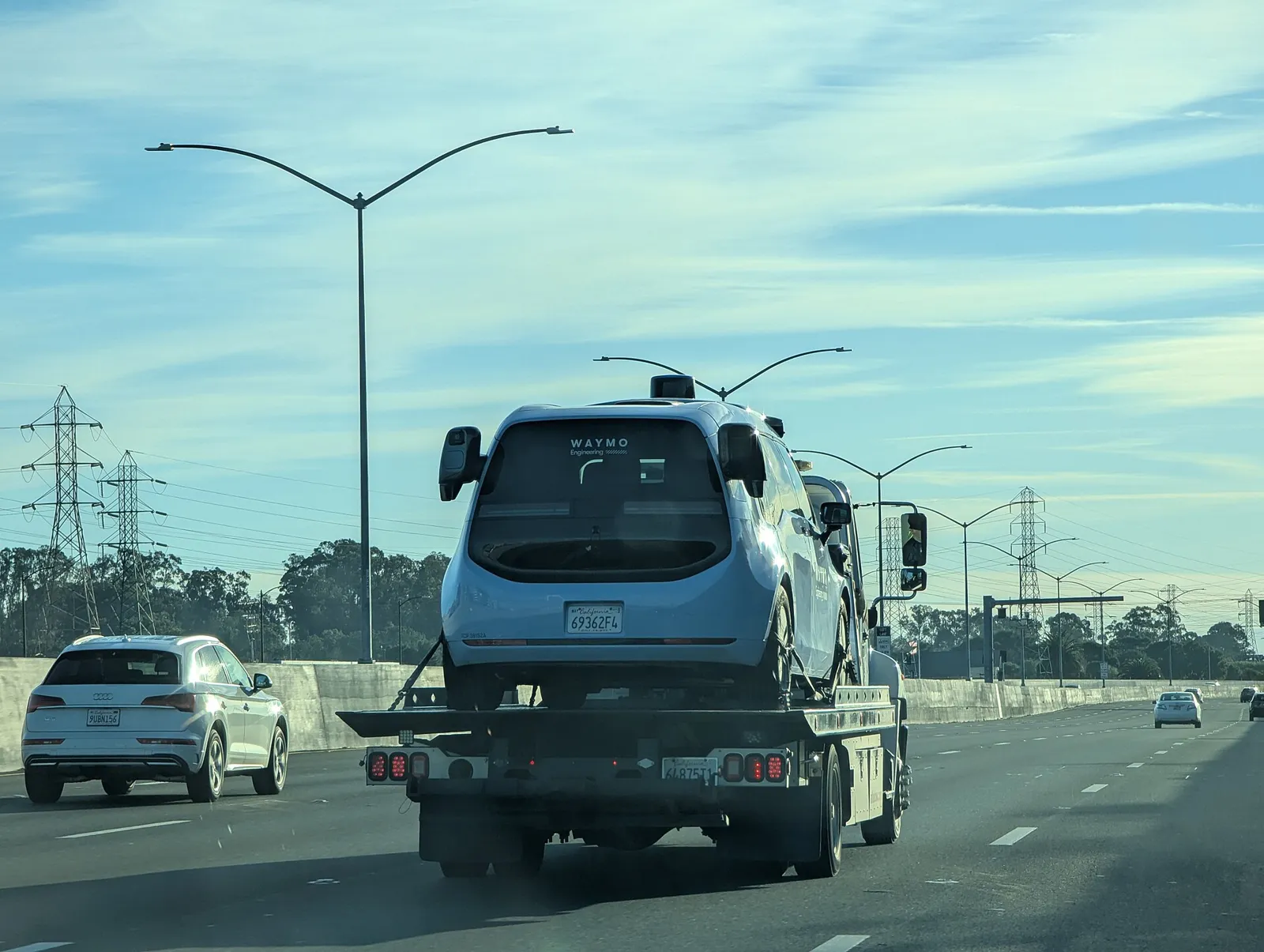
The gap is narrowing for one reason: manufacturing. Waymo fits its hardware to vehicles other companies build: first Jaguar I-Pace SUVs, and now the Zeekr-built "Ojai" minivan, which helped its Texas fleet grow 49% in three weeks in September (reported). Tesla designs and builds the whole car itself, in a factory it owns.
Inside the Cybercab line: what the Munro tour showed
On 26 October, Munro Live published a long engineering walk-through of the Cybercab, led by Tesla vice president of vehicle engineering Lars Moravy, Eric Earley and other Tesla engineers. The parts that matter most for scaling up:
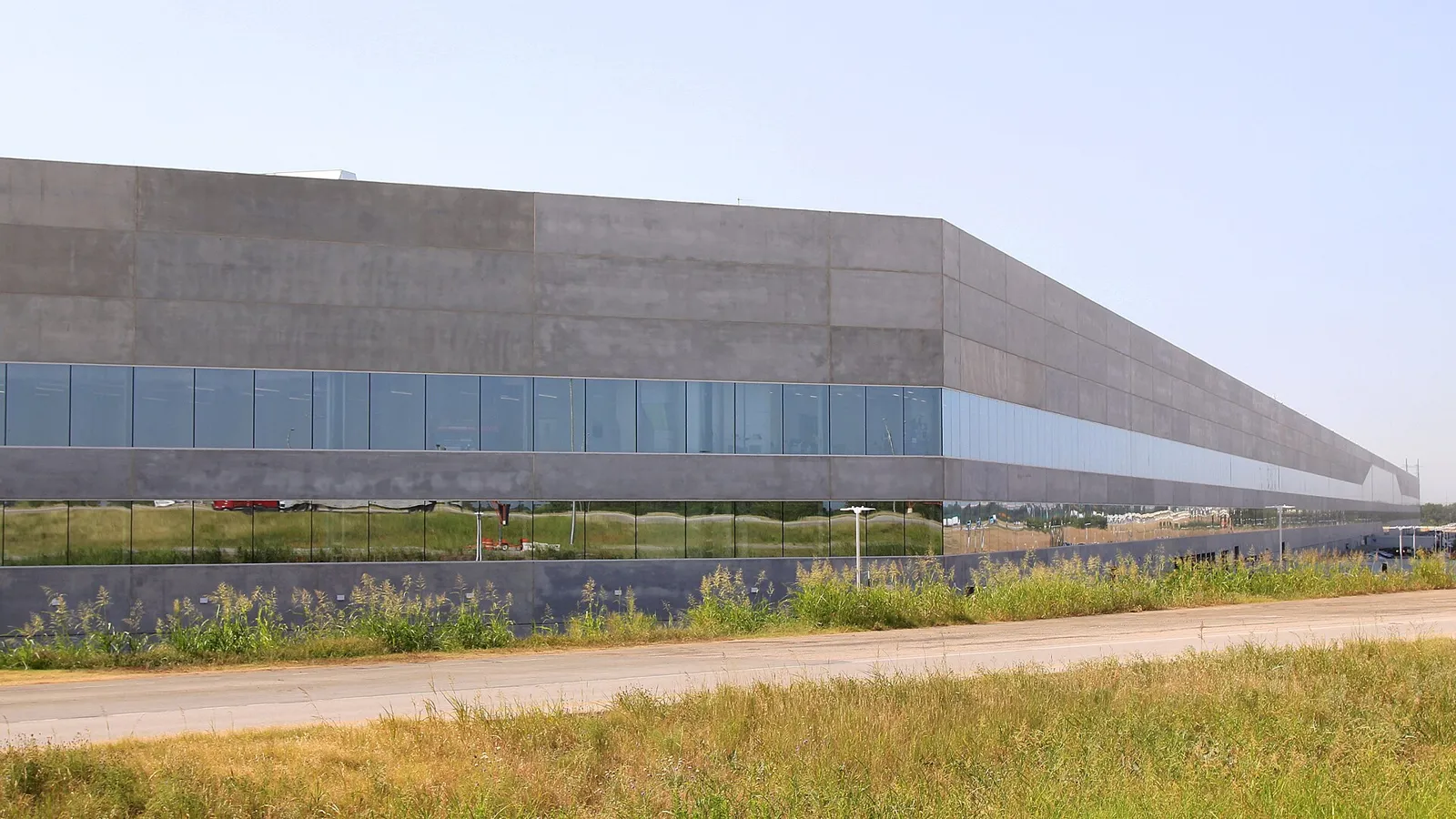
- The line is ahead of demand. Moravy: "We actually don't run the line every day because the line can run so fast it's currently outpacing our robotaxi deployments." Tesla's Q3 update lists installed Cybercab capacity at more than 125,000 a year.
- "Unboxed" assembly is real. The car is built as separate modules (front, rear, both sides, and a structural battery-and-seats unit), each checked on its own before they're joined in an automated framing cell. Wheels go on at the second-last station, so a Cybercab first touches the ground as it rolls off the line.
- Automation (reported from the video): about 78% overall, 100% in framing, 25 final-assembly stations, and roughly half the factory floor space per car. There's no conventional paint shop.
- Battery and running gear (reported from the video): 4680-cell modules in a steel enclosure that can be swapped for servicing, front-wheel drive tuned for efficiency, brake-by-wire with no hydraulic master cylinder, and a 500,000-mile (about 805,000 km) design life.
- Charging: a conventional charge port for now, so the cars can use the existing Supercharger network. Tesla said Optimus robots might plug them in eventually. Inductive charging isn't in the near-term plan.
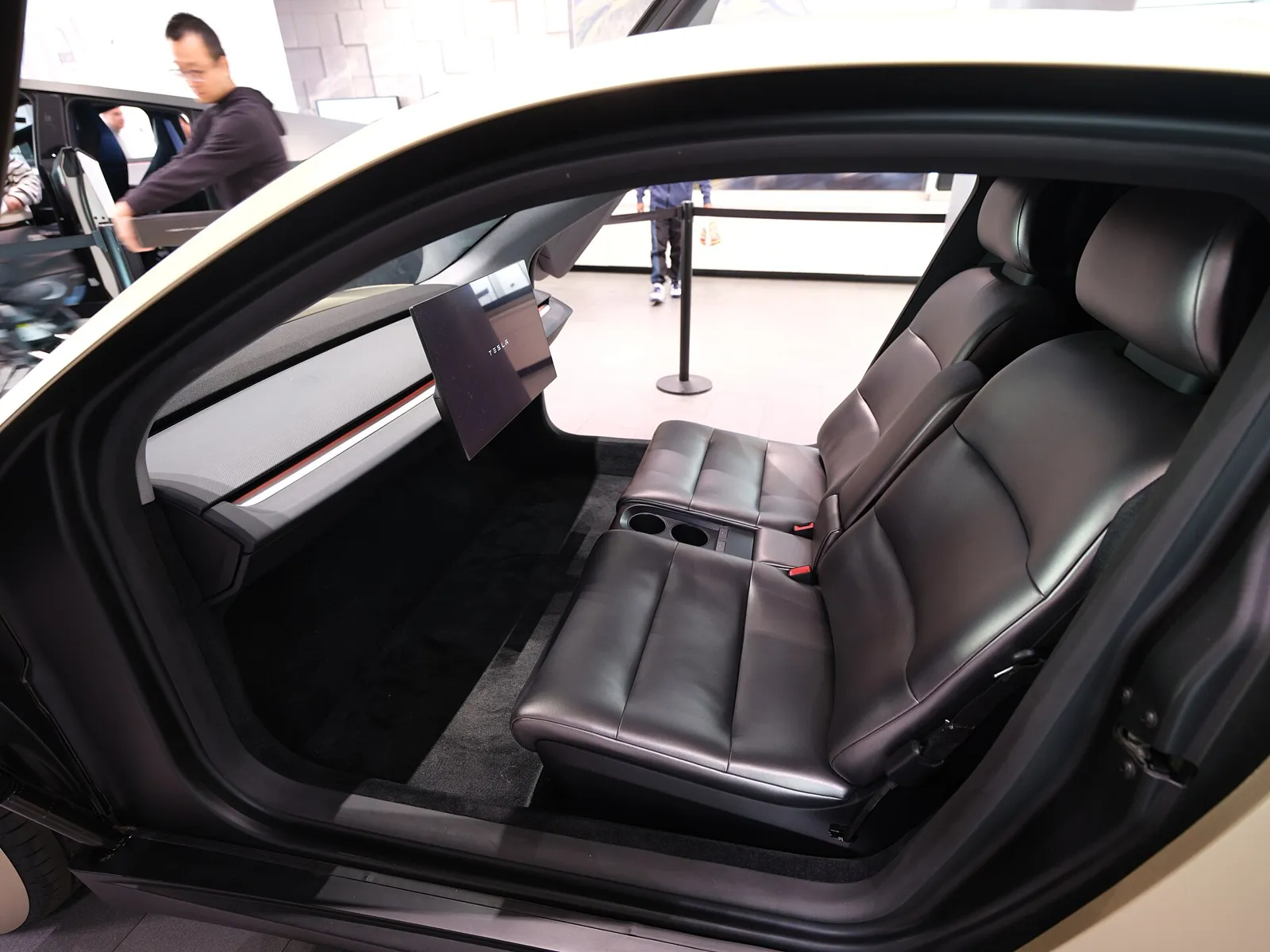
- Doors: asked why it chose butterfly doors that could cost more to repair, the Tesla team said, first of all, that they look cool. They also said the doors make it easier to get in and out.
We haven't independently checked the automation and floor-space percentages against a Tesla document. They come from the video as reported by people who watched it, so treat them as Tesla's claims. Costs: the publicly reported target is a consumer price of about US$30,000 (about A$46,000, est.) and a running cost of about 30 US cents a mile. Tesla hasn't confirmed a production cost.
The brake on growth: regulators
If the factory isn't the limit, approvals are. NHTSA's audit asks how Tesla certified a car with no steering wheel, pedals or mirrors as meeting federal safety standards, and in particular which standards Tesla decided didn't apply. Tesla's sworn answers are due on 30 October. Each new city also has its own rules, which is why Dallas, named for November, is only the second Cybercab market. At the Q3 results, Tesla said it wants Cybercabs in customers' hands by the end of 2026, though Elon Musk said most will be Tesla-owned and run on its own ride-hailing network.
What it means for Uber, Lyft and drivers
Uber's response is to become the marketplace for everyone else's robotaxis. At its Q2 results in August it committed more than US$10 billion (about A$15 billion, est.) to autonomous vehicles over the coming years, and it says AV partners have pledged 120,000 robotaxis to its platform (reported). The biggest single bet is Lucid Gravity SUVs running Nuro's self-driving system. Uber has ordered at least 35,000 of them (reported), it's due to launch in the San Francisco Bay Area in late 2026, and Houston follows in mid-2027.
The risk for Uber is that the strongest players don't need it. Waymo has wound down its Phoenix arrangement with Uber and plans to run its own app in Austin and Atlanta from 2028 (reported). Tesla is running its own Robotaxi app. A company that makes and owns its cars, and has its own app, keeps the whole fare.
For human drivers, the change will come city by city, starting where the weather is mild and the regulators are friendly. Five years ago, Waymo was the only company running fully driverless public rides. Now several companies have commercial services in the US, and Tesla's factory claims suggest the vehicles themselves will soon stop being the bottleneck.
And in Australia?
No robotaxi service with nobody behind the wheel operates in Australia, and none of Tesla, Waymo or Uber has announced a date for one. Federal automated-vehicle safety laws are still being developed. Australians already pay for Tesla's FSD (Supervised), at $149 a month, but it legally needs an attentive driver. Uber, the biggest ride-share platform here, hasn't named Australia in any of its AV launch plans. For Australian ride-share drivers, the US numbers above are worth watching. They're not an immediate threat.
Quick answers
How many Cybercabs does Tesla have?
About 463 Cybercabs were registered in Tesla's Texas robotaxi fleet as of 25 October 2026 (reported from Texas registration data). Combined with 507 Model Y robotaxis, Tesla had 970 registered robotaxis in Texas as of 26 October 2026.
How big is Waymo's fleet?
Waymo said it had about 3,000 vehicles in February 2026. Reports in September and October 2026 put it at about 4,000, carrying around 500,000 paid rides a week.
Are robotaxis coming to Australia?
Not yet. No company has announced a driverless robotaxi service for Australia, and federal automated-vehicle laws are still being developed.
- NHTSA, audit query AQ26002: Tesla Cybercab FMVSS certification (PDF)
- Tesla, Q3 2026 update (SEC filing): Cybercab launch and installed capacity
- Munro Live on X: full Cybercab deep-dive video with Lars Moravy (26 Oct 2026)
- Tesla Robotaxi on X: Cybercab engineering deep dive
- Sawyer Merritt on X: Moravy quote on line speed
- Nic Cruz Patane on X: 463 Cybercabs in the Texas fleet (Texas DMV data)
- Robotaxi DMV USA on X: Texas fleet at 970 (TxDMV AV roster, 26 Oct)
- Texas DMV: automated motor vehicles
- Teslarati: Tesla confirms 300+ Cybercabs in Austin (10 Oct 2026)
- Reuters via Investing.com: Tesla aims to sell Cybercabs by end of 2026
- Waymo: remote assistance and fleet size (17 Feb 2026)
- TechCrunch: Waymo fleet data (24 Sep 2026)
- Semafor: Waymo plans to quintuple its fleet (19 Oct 2026)
- Uber: Uber, Nuro and Lucid bring robotaxi service to Houston in 2027
- Nuro: the Nuro–Lucid–Uber robotaxi program
- Axios: Uber rewrites its playbook for the robotaxi era
- Tesla Australia: FSD (Supervised) subscriptions