Tesla has formally asked federal parliament to let driverless cars be tested on Australian public roads in 2027. In a submission dated 16 October to the Senate inquiry into productivity in Australia, Tesla recommends that the government "support an autonomous vehicle trial in 2027". It wants permits for public-road testing, worked out with industry, to apply "until such time that the national regulatory framework for AVs is in place".
What Tesla is asking for
- Trials in 2027: permits for public-road autonomous vehicle trials while the national law is still being written.
- The law two years sooner: start the federal Automated Vehicle Safety Law (AVSL) in 2027 rather than the expected 2029. Tesla says this would "save hundreds of lives and prevent thousands of injuries" and unlock more than $10 billion in benefits. That figure comes from modelling by the Autonomous Vehicle Association of Australia, not from Tesla itself.
- Its evidence: Tesla says cars in Australia and New Zealand have covered more than 160 million km with FSD (Supervised) switched on since it launched here in September 2025.
One caveat on that 160 million km: FSD (Supervised) is a driver-assistance system. The driver must watch the road and stay responsible the whole time. It shows how much the software is being used. It doesn't prove the car can drive safely with nobody behind the wheel, and that is the question a driverless trial would have to answer.
Where Australia's AV rules stand
There is no national law yet that lets a car drive itself without a responsible human driver. The National Transport Commission runs the reform. On 21 November 2025, transport ministers agreed to allow conditional deployment of automated vehicles in selected locations from 2027, with full national readiness to follow. The NTC says that depends on each state and territory updating its own laws and building the capability to oversee AV operations. Tesla's argument is about this gap. Ministers have pencilled in limited deployment from 2027, but the federal safety law expected to sit underneath it isn't due until about 2029.
The Senate committee is still taking submissions and has public hearings listed for 30 November and 4 December 2026.
Tesla's robotaxi push elsewhere
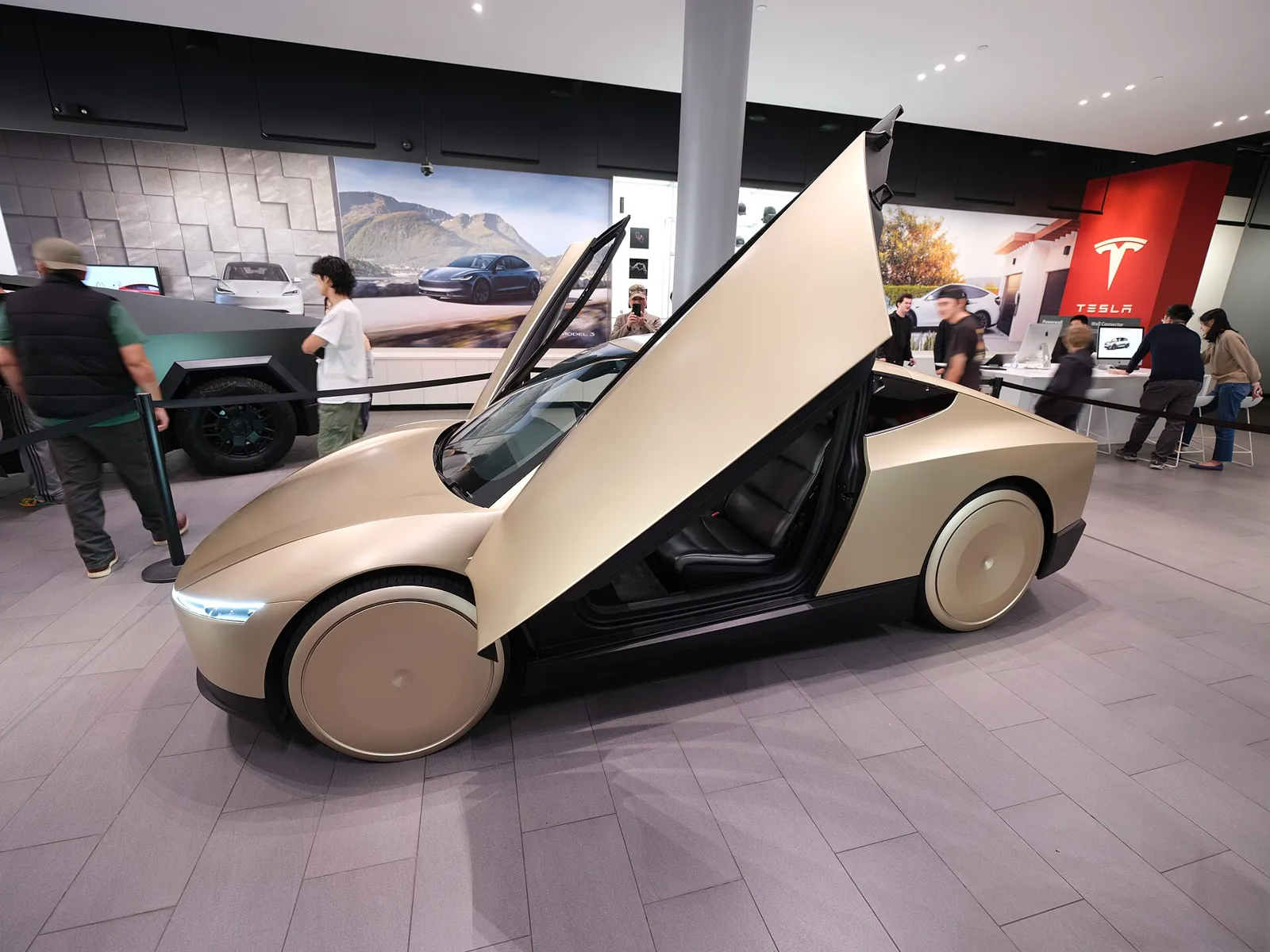
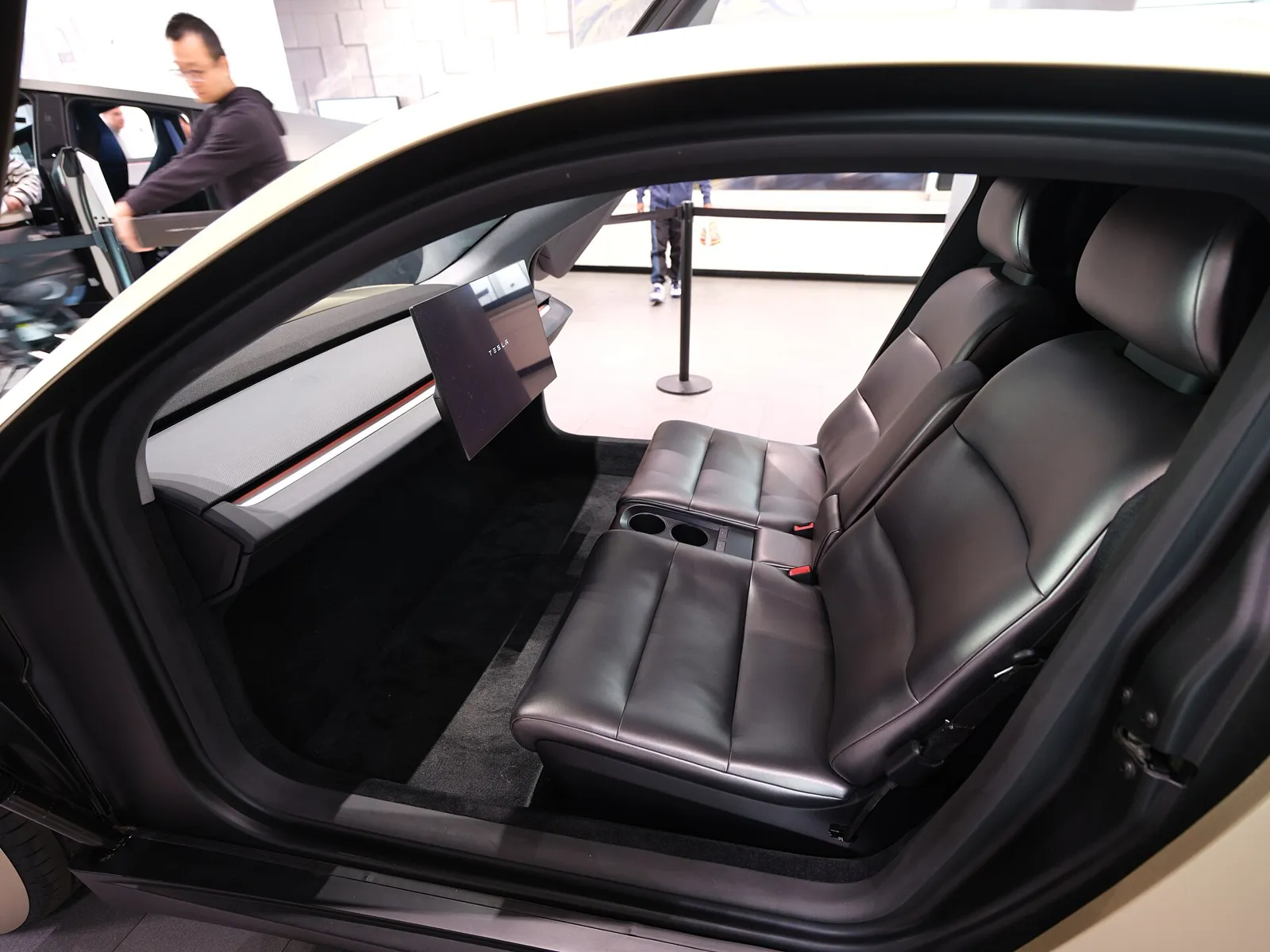
In the US, Tesla has started putting its two-seat Cybercab, which has no steering wheel or pedals, into its Robotaxi service. Texas registration data tracked last week put the registered Cybercab fleet at 573. As we've covered before, Tesla is aiming for far more. Australia drives on the left, as do several markets where FSD (Supervised) is already running, and Tesla's submission argues the local data already exists. Whether parliament agrees will become clearer after the December hearings.
What it means for owners
For now, nothing changes. FSD (Supervised) remains a driver-assistance feature you must supervise, sold in Australia as a monthly subscription. Even a 2027 trial would be a limited, permitted program, not driverless use in private cars.
If you're buying a Tesla anyway, our referral link may get you a purchase credit. EV Select may receive a referral benefit.
Sources
- Senate Economics References Committee, Productivity in Australia inquiry: submissions, including Tesla Motors Australia (16 Oct 2026)
- National Transport Commission, Automated vehicle program
- ACS Information Age, "Tesla wants Australian robotaxi trials in 2027" (quotes and submission date)
- Kian Chong on X, 30 Oct 2026, summarising the submission